Instagram's own editing app has been sitting on millions of phones for months, yet many creators still haven't opened it past the first login screen. That's a strange gap for a tool built by the same company that controls Reels distribution. If the platform that decides what gets seen also built the editor, you'd expect faster adoption. Instead, plenty of people remain unsure whether it's worth replacing the editing workflow they've already mastered.
The hesitation makes sense. Creators have spent years building habits around third-party editors, and switching tools mid-career carries real friction. But the Instagram Edits app isn't just another entry in a crowded field of mobile editors. It was built specifically around how Reels get made, formatted, and published, which changes the calculation for anyone posting regularly. Editing quality matters, but so does everything surrounding the content itself. Growing an account also depends on visibility strategies that have nothing to do with editing software, and some creators pair their content workflow with services to boost instagram free as part of a broader growth plan, treating the editing app as one piece of a larger system rather than a standalone fix.
This guide walks through what the app actually does, how it compares to established competitors, what's changed in recent updates, and who genuinely benefits from adding it to their workflow. By the end, you'll have a grounded answer instead of a guess.
What Is the Instagram Edits App?
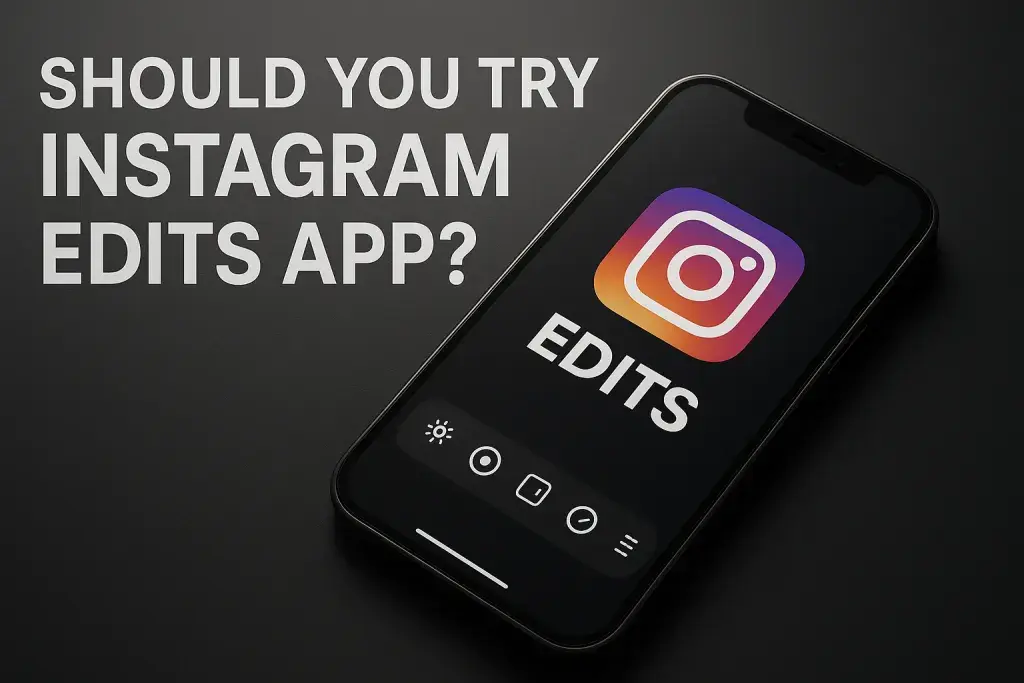
The Instagram Edits app is a standalone video editing application built by Meta, designed specifically for creators who produce Reels and other short-form video content. Unlike the basic editing tools embedded directly in the Instagram camera, this app functions as a dedicated workspace separate from the main platform, giving creators room to build, refine, and preview content before it ever touches a public feed.
The core idea behind the app is straightforward: reduce the need to jump between multiple apps during the content creation process. Instead of shooting footage, exporting it to a third-party editor, then reimporting the finished product back into Instagram, creators can handle the entire process in one place. That single change addresses a workflow complaint that has followed short-form video creation since Reels launched.
- Developed by Meta as a companion tool to Instagram, not a replacement for the main app
- Functions independently, meaning you can draft and store projects without publishing immediately
- Built specifically around vertical video formats suited for Reels
- Integrates directly with an Instagram account for publishing once editing is complete
Why Instagram Created a Standalone Editing App
Building an entirely separate app rather than expanding the in-app camera tools signals something about how Instagram views serious content creation. The native camera tools were designed for speed and casual use, quick trims, basic filters, simple text overlays. Creators producing polished, frequent content needed something with more depth, and cramming that complexity into the main app risked cluttering an interface built primarily for browsing and interaction.
A standalone app also allows Meta to iterate on editing features without touching the core Instagram experience. Updates, bug fixes, and new tools can roll out to the editing app on its own schedule, independent of the broader platform's release cycle. That separation benefits both casual users, who don't need the extra complexity cluttering their main feed, and serious creators, who get a dedicated space built around their specific needs.
Instagram Edits App Details: Key Features Explained
Once you open the app, the feature set becomes clear fairly quickly. It borrows conventions familiar from other mobile editors, multi-track timelines, layered audio, adjustable clip speed, but arranges them around Instagram's specific publishing requirements. That context matters. A creator editing a 30-second Reel doesn't need the same toolset as someone producing a ten-minute video essay, and the app's design reflects that narrower focus.
Consider a typical workflow: a creator shoots five separate clips for a cooking demonstration, imports them into the app, trims each clip to the right length, layers a trending audio track underneath, adjusts playback speed on one segment for emphasis, and adds text captions timed to specific moments. All of that happens without leaving the app, and the final export is already formatted correctly for Instagram's aspect ratio and file requirements.
- Multi-clip timeline editing with drag-and-drop reordering
- Speed controls for slow motion or fast-forward effects
- Audio layering, including trending sounds pulled directly from Instagram's library
- Text and caption tools with customizable timing and styling
- Export settings pre-configured for Reels dimensions and quality
- Draft saving, allowing projects to be paused and resumed later
Editing Tools and Creative Controls
The precision available in the editing tools sits between a basic mobile editor and a full desktop suite. Multi-track editing allows layering of video, audio, and text independently, which gives creators more control over pacing than single-track editors typically allow. Transition effects between clips are built in, along with color adjustment tools that let creators tweak brightness, contrast, and saturation without external software.
Speed control deserves particular mention. Creators can slow down a specific segment for dramatic effect or speed through a slower moment to keep pacing tight, all without affecting the rest of the timeline. That kind of granular control used to require dedicated software; having it built into a free companion app changes what's possible for creators working without a large budget.
Templates, Effects, and Trend Integration
Templates pull directly from formats currently gaining traction on the platform, giving creators a starting structure rather than a blank timeline. This matters because trend-aligned formatting has a real relationship with how content gets discovered and shared. Using a template doesn't guarantee reach, but it does remove guesswork about pacing and structure that's currently resonating with audiences.
Effects and audio integration work similarly. Because the app pulls directly from Instagram's trending audio library, creators avoid the extra step of searching for and importing sounds from outside sources. Everything stays within the same ecosystem, from raw footage to published post.
Instagram Edits App Guide: How to Get Started
Getting started takes only a few minutes, but a few early decisions affect how smoothly the rest of your editing sessions go. The setup process is intentionally simple, matching the app's goal of removing friction rather than adding it.
- Download the app from your device's app store and open it for the first time.
- Sign in using your existing Instagram account credentials to link the two.
- Import footage from your camera roll or record new video directly within the app.
- Arrange clips on the timeline, trimming and reordering as needed.
- Add effects, text overlays, and audio tracks to build out the final edit.
- Preview the finished project to check pacing, timing, and audio sync.
- Export directly to Instagram for publishing, or save the project as a draft for later.
The linking step between the app and your Instagram account deserves attention. Some users run into issues here, particularly if they manage multiple Instagram accounts on the same device. Taking a moment to confirm the correct account is linked before starting a project saves the frustration of discovering a mismatch after finishing an edit.
Step-by-Step Setup Process
After installation, the app walks through a brief onboarding sequence explaining core navigation. Pay attention to where draft storage lives within the app, since long-form projects benefit from being saved incrementally rather than completed in a single sitting. Storage space on your device also matters here; video projects with multiple layers of audio and effects can grow larger than expected, so checking available space before starting a complex edit avoids interruptions partway through.
Once your account is linked and your first project is open, spend a few minutes exploring the timeline controls before committing to a full edit. Understanding how trimming, layering, and speed adjustments interact with each other upfront saves considerable time on more ambitious projects later.
Common Mistakes Beginners Make
New users tend to run into a similar set of avoidable problems during their first few projects.
- Skipping app updates, which can cause compatibility issues with newer effects or export formats
- Ignoring aspect ratio settings, resulting in cropped or misformatted final videos
- Failing to save drafts before closing the app, losing significant editing progress
- Overusing effects and transitions, which can make content feel cluttered rather than polished
Instagram Edits App vs. Other Editing Apps
Choosing between this app and established competitors comes down to weighing integration against flexibility. Third-party editors have years of refinement behind them and often support export to multiple platforms beyond Instagram. The Edits app trades some of that platform flexibility for tighter integration with Instagram's publishing tools and trend library.
| App | Instagram Integration | Editing Depth | Learning Curve | Best Suited For |
|---|---|---|---|---|
| Instagram Edits | Direct, built-in publishing and trend access | Moderate, focused on short-form video | Low to moderate | Regular Reels creators wanting a streamlined workflow |
| CapCut | Requires manual export and upload | Extensive, supports advanced effects | Moderate | Creators needing more editing flexibility across platforms |
| InShot | Requires manual export and upload | Moderate, simpler interface | Low | Casual creators editing occasional videos |
A creator posting Reels daily benefits from the reduced friction of staying within one connected ecosystem. A brand producing polished ad content for multiple platforms may find the broader export options and advanced effects in dedicated editors like CapCut more valuable, even at the cost of a slightly longer workflow.
What's New: Instagram Edits App Latest Updates
Instagram continues refining the app based on creator feedback, and recent updates have focused on closing gaps between it and more established competitors. New collaboration features now allow multiple creators to work on shared projects, useful for accounts that produce content as a team rather than a solo effort. Expanded export format options have also addressed earlier complaints about limited flexibility when saving projects outside the app.
- Additional effects and transition options added to the creative toolkit
- Collaboration tools enabling shared editing on team projects
- Expanded export formats beyond direct Instagram publishing
- Refined audio syncing tools for tighter alignment between sound and visuals
These changes reflect a pattern of steady, incremental improvement rather than dramatic overhauls. For creators who tried the app early and found it lacking in certain areas, checking back periodically makes sense, since the current version often addresses complaints raised in earlier releases.
Should You Try It? Pros, Cons, and Who It's Best For
The honest answer depends on your current workflow and how much you value integration versus flexibility. Creators already comfortable with a third-party editor and satisfied with their current export process may not gain much by switching. Those frustrated by the back-and-forth between separate apps, however, stand to benefit significantly.
| Pros | Cons |
|---|---|
| Direct integration with Instagram publishing and trends | Limited export flexibility compared to some competitors |
| Free to use with no additional cost | Fewer advanced effects than dedicated professional editors |
| Streamlined workflow from filming to publishing | Best suited to short-form content, less useful for longer projects |
| Regular updates addressing user feedback | Still maturing compared to years-established competitors |
- Casual creators posting occasionally who want a simple, integrated tool
- Small businesses managing their own social content without a dedicated editing team
- Influencers focused specifically on Reels who want to reduce app-switching
- Professional editors working across multiple platforms who may prefer more flexible software
Quality editing is only one part of building a presence on the platform. A well-produced Reel still needs an audience to reach, and pairing a strong editing workflow with a broader growth strategy tends to produce better results than focusing on either element alone.
Questions and Answers
Is the Instagram Edits app free to use?
Yes, the app is free to download and use, with no separate subscription required for its core editing features. Meta has positioned it as a companion tool rather than a premium product, so cost isn't a barrier to trying it out.
Do I need an Instagram account to use the app?
You need an Instagram account to publish content directly through the app, since it links to your existing profile for posting. You can still create and edit projects without immediately publishing, storing them as drafts until you're ready.
Can I use the app without publishing directly to Instagram?
Yes, the app supports exporting finished projects to your device rather than publishing straight to Instagram. This makes it usable for creators who want to post the same content across multiple platforms.
Does using this app improve my Reels' reach or algorithm ranking?
Editing quality alone doesn't directly influence how widely content gets distributed. Using trend-aligned templates and audio may help align your content with current viewing patterns, but reach depends on far more than which editor produced the video.
Is the app available on both iOS and Android?
The app is available on both major mobile platforms, matching Instagram's broader approach to cross-platform accessibility. Availability can vary slightly by region as rollout continues.
How often does Instagram update this app?
Updates arrive periodically, generally introducing new effects, refined tools, or feature expansions based on user feedback. Keeping the app updated ensures access to the latest editing capabilities and avoids compatibility issues with newer export formats.